2026-09-02 · John McManus
How To Spot Roof Damage After A Nor'easter In Waterford Works
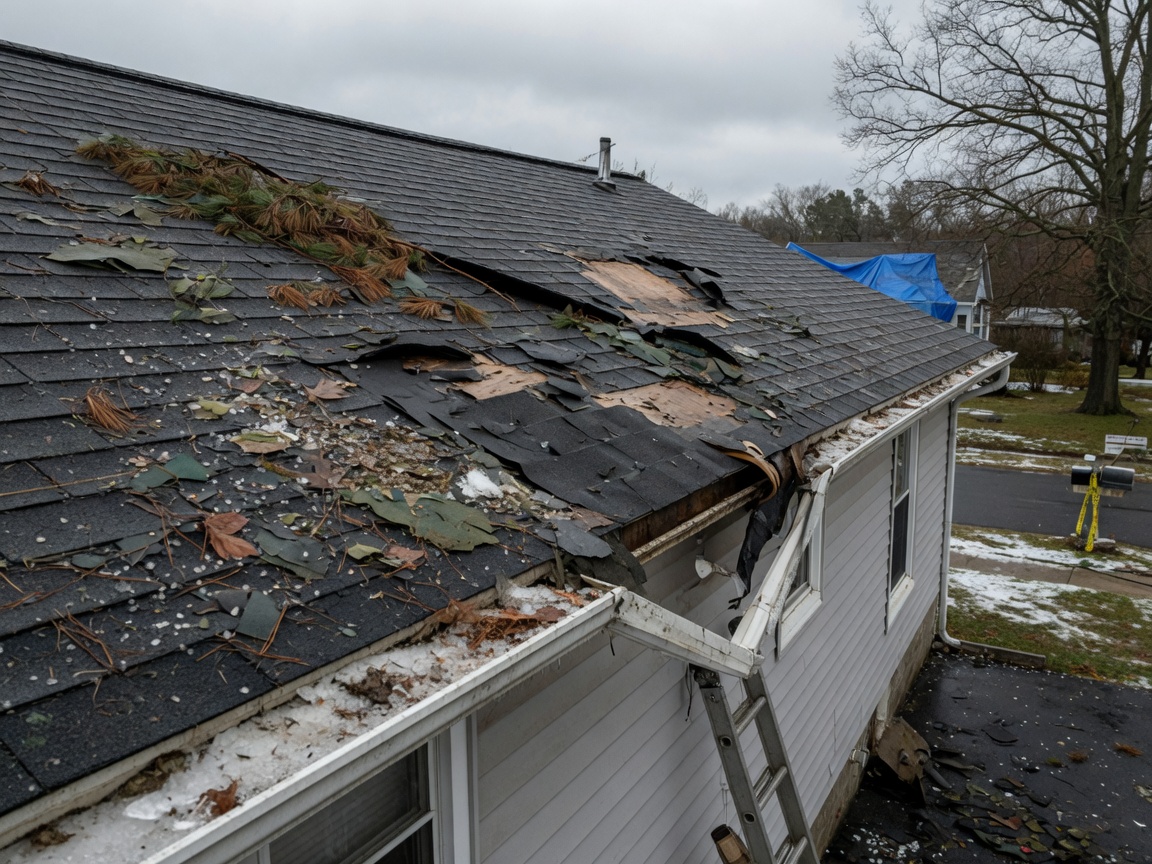
After a Nor'easter passes through Waterford Works, begin by scanning the roof surface for displaced or missing asphalt shingles, torn flashing around chimneys and vents, and sagging sections along the eaves where wind-driven rain pooled. These signs appear most often on homes built before 1980 in Camden County neighborhoods, where age and repeated freeze-thaw cycles have already reduced shingle flexibility. Checking from the ground with binoculars or from an attic window reveals many problems without immediate climbing.
Examining Shingle and Ridge Damage
Nor'easters in this humid subtropical climate deliver sustained winds over 40 mph that lift shingles at the edges and ridges. Walk the perimeter and look for granules collecting in gutters or on the ground, which indicates the protective coating has been stripped. On two-story homes common in Waterford Works, check the north-facing slopes first because they take the brunt of the storm's direction. Lifted tabs that fail to lie flat again after the wind subsides will allow water intrusion during the next rain event. Document each area with photos that include the date and time for any later discussion with a roofer near me.
Checking Flashing, Vents, and Penetrations
Metal flashing around plumbing vents, skylights, and chimneys often shifts or cracks when snow loads combine with high winds. In Waterford Works, many homes have brick chimneys that expand and contract differently than the surrounding roof deck, creating gaps that widen after a Nor'easter. Examine the sealant at these points for splits or missing sections. Attic inspection from below can show daylight or water stains around these penetrations even when the exterior looks intact. Damaged flashing frequently leads to leaks that travel along rafters before appearing on ceilings.
Looking for Interior and Attic Indicators
Water stains on ceilings or walls, especially in upstairs bedrooms, often trace back to roof damage sustained during a Nor'easter. In the humid winters of Camden County, trapped moisture in insulation can promote mold growth within days. Shine a flashlight along rafters and look for dark streaks or soft spots in the sheathing. Check the attic for displaced insulation batts or wet spots near the ridge. These interior clues help pinpoint exterior damage locations before scheduling storm and wind damage repair.
Evaluating Gutters and Drainage After the Storm
Clogged or pulled-away gutters after a Nor'easter allow water to back up under the first course of shingles. In Waterford Works, mature trees near many properties drop limbs and leaves that combine with storm debris to block downspouts. Inspect the fascia board behind the gutters for rot or separation. Proper drainage prevents ice dams during the cold snaps that follow these storms. Note any sections of gutter that now slope the wrong way or show new dents from falling branches.
Deciding When Professional Assessment Is Needed
If multiple shingles are missing, flashing shows gaps, or interior stains appear, contact a local crew for a professional roof inspection. Owners in Waterford Works often compare findings with what homeowners pay for emergency roof repair in South Jersey to understand typical costs. Homes near wooded sections may also need review for tree-related roof leaks in wooded areas of Waterford Works. McManus Roofing LLC operates from 22 Maiese Ave and maintains hours of Mon–Fri 8am–10pm and Sat-Sun 8am–8pm for these assessments.